

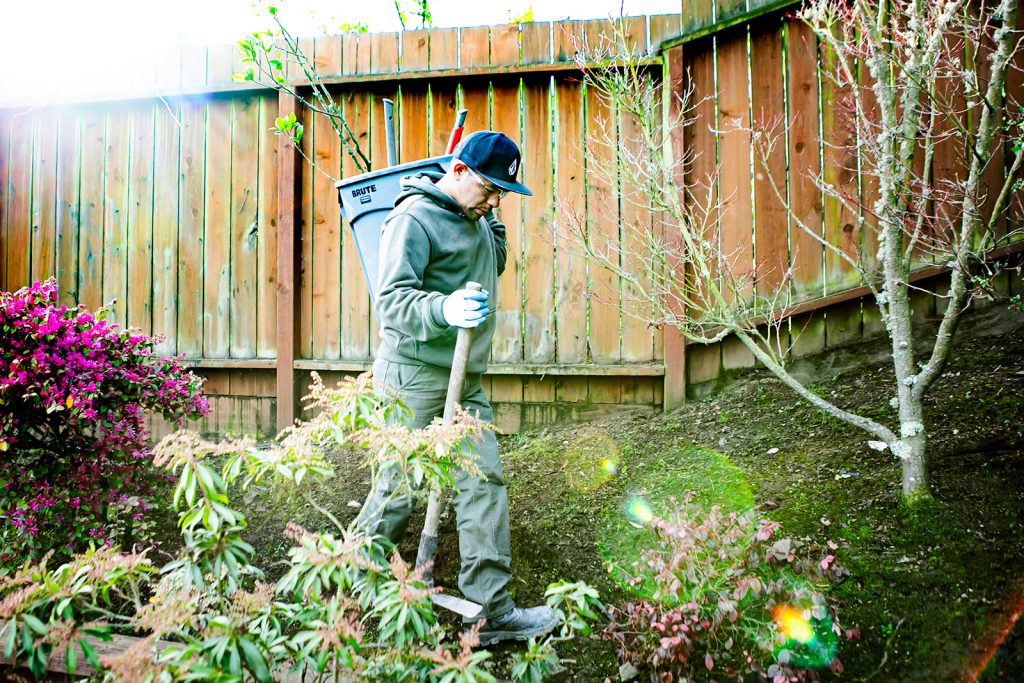
Winter Garden Reset in San Francisco & Marin: Pruning, Cleanup, and Storm-Proofing (Without Overdoing It)
Winter in the Bay Area is a funny season. We don’t get “true winter” the way other places do—but we do get wind events, saturated soil, surprise warm spells, and that one storm that drops branches in exactly the spot you walk every day.
And because San Francisco and Marin are basically a patchwork quilt of microclimates, your yard might be thriving while your neighbor’s is melting into mush. A windy corner in the Richmond behaves nothing like a sunny patio in the Mission. Mill Valley slopes aren’t the same as a flat lot in Novato. One-size-fits-all winter advice usually misses the mark.
So here’s the FYGN approach: a winter reset that protects your plants, prevents expensive problems, and sets you up for a calmer spring—without hacking everything everything down just because it’s “the season.”
Why winter maintenance matters more than it seems
Most people think winter is the “off” season. In reality, winter is when your landscape quietly decides:
- whether roots rot or strengthen
- whether pests and fungi get a foothold
- whether spring growth comes in clean or chaotic
- whether your drainage issues stay small or become “call a contractor” issues
A good winter routine is less about perfection and more about risk reduction: reducing breakage, disease, waterlogging, and future labor.
1) Storm-proof the yard
Before the next windy front rolls through, do a quick walk and look up, not down.
Check these first:
- hanging branches over walkways, driveways, cars, and roofs
- weak crotches (V-shaped branch unions that split easily)
- deadwood (often hidden until you look from multiple angles)
- top-heavy shrubs that act like sails in wind
A note on pruning timing: winter can be a good time to prune, but “good” doesn’t mean “aggressive.” The goal is structural sanity, not a dramatic haircut.
If you’re unsure, follow this rule:
- remove dead/damaged wood anytime
- reduce risky weight and wind sail
- don’t “lion-tail” trees (stripping interior branches)
- don’t shear everything into tight shapes “just because”
If you’ve got mature trees near structures, this is also the season to schedule a professional assessment, especially after a wet year.
2) Do the winter cleanup that actually helps
Some cleanup is cosmetic. Some cleanup prevents disease and pest cycles.
Worth doing:
- remove mushy fallen fruit
- clear leaves out of drains, downspout outlets, and swales
- cut back collapsed perennials that are smothering crowns
- rake leaves off lawn areas so grass can breathe
Worth reconsidering:
- over-cleaning every leaf out of every bed
- stripping all leaf litter under shrubs and trees
In many Bay Area gardens, a little leaf litter is protective. It moderates soil temperature, reduces erosion, and becomes organic matter. The key is where it sits. Leaves in a bed are often fine. Leaves glued to a lawn or clogging runoff paths are not.
3) Fix water problems while the evidence is still visible
Winter is the only season that shows you your drainage truth.
After a rain, look for:
- pooling water lasting more than 24 hours
- runoff channels cutting through mulch or soil
- erosion on slopes (especially newly planted areas)
- soggy corners where plants look yellow or unhappy
Quick wins that often help:
- re-grade small low spots so water moves away from foundations
- add mulch (2–4 inches) to reduce splash and compaction
- create or refresh a shallow swale to guide runoff
- extend downspouts to daylight (when appropriate)
If a spot stays wet no matter what, it may need:
- soil amendment changes
- plant selection changes (choose plants that tolerate seasonal moisture)
- a real drainage solution (French drain / catch basin / etc.)
Translation: winter is when you can fix the problem cheaply, before it becomes a remodel.
4) Mulch like you mean it
Mulch is one of the most underrated maintenance tools in San Francisco and Marin.
In winter, mulch helps:
- prevent compaction and crusting
- reduce erosion on slopes
- moderate soil moisture swings
- suppress early weeds
- build soil structure over time
FYGN mulch standards:
- 2–4 inches deep in planting beds
- keep mulch 2–4 inches away from trunks and crowns
- top up high-traffic splash zones first (downspouts, roof drip lines, slopes)
If you only do one winter task, mulch is the one that pays you back.
5) Prune with purpose: what to cut now and what to leave
A lot of winter pruning advice is too generic, so here’s the local, practical version.
Good winter pruning targets:
- dead/damaged branches
- crossing/rubbing branches
- hazard reductions near paths and structures
- light thinning to reduce mildew-prone density (common with certain shrubs)
Usually better to delay or go easy on:
- heavy pruning right before a warm spell (can trigger tender growth)
- hard shearing of flowering shrubs without knowing bloom timing
Flowering reminder (simple version): if it blooms in early spring on old wood, heavy winter pruning can remove flowers. If you don’t know, do selective pruning now and save major reshaping for the right window.
6) Don’t ignore the irrigation just because it’s raining
Yes, it’s wet. But irrigation problems still matter in winter because they set you up for spring failures.
Quick irrigation checklist:
- turn off broken zones (don’t “set and forget”)
- check for leaks at valves and heads
- confirm the controller isn’t running on an old summer schedule
- make sure drip lines aren’t buried, crushed, or spraying sideways
If you want a smooth spring startup, winter is the time to:
- clean filters
- replace clogged emitters
- fix tilted heads
- plan adjustments for new plantings
7) Winter planting: the Bay Area secret advantage
In many San Francisco and Marin microclimates, winter planting is excellent because roots establish while temperatures are mild.
If you’re adding plants, aim for:
- drought-tolerant natives and Mediterranean-climate plants
- proper spacing (less mildew, less pruning, healthier plants)
- compost and mulch support (not excessive fertilizer)
Think “root building season,” not “top growth season.”
A simple FYGN winter checklist
If you want the short version:
- storm-proof: remove deadwood and risky branches
- drainage: identify pooling and runoff pathways
- cleanup: clear drains and problem leaf buildup
- mulch: refresh beds to 2–4 inches
- prune: selective, structural, not dramatic
- irrigation: fix leaks, update schedule, prep for spring
- planting: take advantage of cool-season root growth
Want FYGN to handle the winter reset for you?
A well-maintained winter garden doesn’t just look better—it costs less to maintain over the year because problems don’t compound.
If you’re in San Francisco or Marin County and want your yard dialed (without overdoing it), FYGN can help with seasonal cleanups, pruning, drainage troubleshooting, and ongoing garden maintenance that keeps your landscape healthy and resilient.
Answers to Frequently Asked Questions
What winter yard work matters most in SF and Marin?
The highest-impact tasks are storm-proof pruning (deadwood and hazard reduction), clearing leaves from drains and runoff paths, checking drainage after rain, and refreshing mulch to protect soil and reduce weeds.
When should I prune in winter, and what should I avoid?
Winter is a great time to remove dead or damaged branches and reduce risk near paths and structures. Avoid aggressive shaping, heavy pruning right before warm spells, and shearing flowering shrubs without knowing their bloom timing.
How do I know if my yard has a drainage problem?
Look for pooling water that lasts more than 24 hours, runoff channels cutting through beds, erosion on slopes, and soggy corners where plants look yellow or stressed.
Should I clean up all leaves from garden beds in winter?
Not necessarily. Some leaf litter in beds can protect soil, reduce erosion, and break down into organic matter. Prioritize removing leaves from lawns, drains, downspout outlets, and areas where they block runoff or smother plants.
Is mulch really worth it in winter?
Yes. Mulch helps prevent compaction and crusting, reduces erosion, moderates moisture swings, suppresses early weeds, and improves soil structure over time. Apply 2–4 inches and keep it a few inches away from trunks and crowns.
Do I need to check my irrigation system if it’s raining?
Yes. Winter is a great time to turn off broken zones, fix leaks, clean filters, replace clogged emitters, and adjust controller schedules so spring startup is smooth and efficient.
Discover more from FYGN | For Your Gardens' Needs
Subscribe to get the latest posts sent to your email.